Can Cats Eat Dry Dog Food? A Vet-Approved Guide to Risks and Nutrition
You realize that you’re out of cat food late at night when the pet store has closed. The large bag of dog food in your pantry makes you wonder: “Can cats eat dry dog food just this once?”
Can cats eat dog food? Even if a few kibbles won’t poison your cat immediately, feeding cat food on a semi-regular schedule can lead to serious health complications. Your cat is an obligate omnivore and has very specific nutritional needs that dog food cannot satisfy.
This guide will explain the differences in the biology between dogs and cats, what nutrients are missing from dog food for cats, and how you can manage your multi-pet household.
The Biological Reality: Obligate Carnivores vs. Omnivores
To understand why dog food is insufficient, we must look at the evolutionary biology of both animals.
Cats: The Strict Meat-Eater
Cats are carnivores by nature. Their bodies are designed biologically to process animal tissue for nutrients. Plant-based foods are difficult for them to digest, and they need specific amino acids only found in meat, to maintain the health of their organs, heart and eyes.
Dogs: The Adaptive Omnivore
Dogs are facultative omnivores and often categorized as such. They can digest many different ingredients including grains, fruits and vegetables.Dry dog food contains a high percentage of carbohydrates, and is made with plant-based protein, which is not good for the digestive system of cats.
4 Critical Nutritional Gaps in Dog Food for Cats
The ingredients of dog and cat food may look similar. The chemical concentrations, however, are vastly different. Four specific areas are where cat food is inferior to dog food:
1. Taurine Deficiency
Taurine is essential for cats. Taurine can be synthesized by most mammals, including dogs. Cats cannot.
- The Risk: Without Taurine, cats can develop Dilated Cardiomyopathy. This is a condition in which the heart walls thin out and fail. They may also develop permanent retinal degeneration that can lead to blindness.
- Dog Food Problems: Since dogs can produce taurine on their own, many dog foods don’t contain the high levels of supplemental taurine that cats need.
2. Preformed Vitamin A
-
- Canines can convert beta-carotene, which is found in plants such as carrots, into Vitamin A. This is not possible for cats, as they lack the enzyme. Animal proteins, such as animal protein, contain “preformed” Vitamin A.
- A deficiency can lead to poor coat quality and skin scaling, as well as weakened immune systems.
3. Arachidonic Acid
It is a fatty acid essential to cats. It can be produced by dogs. Dog food may contain a variety of fats but it does not usually have the concentrations required for cats to maintain their skin health and inflammation response.
4. High Protein Requirements
- The process of gluconeogenesis is used by cats to convert protein into energy. They require a higher ratio of protein to calories than dogs. By feline standards, dog food can be “protein-light”, meaning that a cat eating it is starving of amino acids even though their stomach may be full.
Short-Term vs. Long-Term Impacts
What happens if my cat eats a bowl of dog food once?
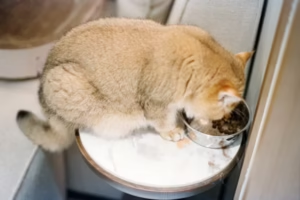
- Do not panic if your cat steals food from the dog bowl. Most cats will only experience mild gastrointestinal upset.
- Common symptoms: include soft stool, vomiting or lethargy.
- As soon as you can, ensure that they have fresh water available and switch them back to their cat diet.
What happens if I feed my cat dog food for a week?
Here is the danger zone. The lack of taurine, combined with the high carbohydrate intake can cause kidney and liver damage within a week. Your cat may lose its shine, or their energy level might decrease.
Why Do Cats Try to Eat Dog Food?
When your cat steals dry kibble and ignores the premium salmon pate, it is frustrating. This behavior is usually driven by:
- The smell of dog food can be enhanced by coating it with animal fats.
- Texture: Some cats prefer the crunchier, larger texture of dog kibble.
- Social Competition: In homes with multiple pets, cats will eat dogfood to establish dominance over the resource.
How to Prevent Cross-Species Feeding
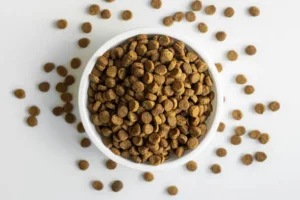
It is important to keep the diets of your pets separate if you have more than one pet.
Use Elevated Feeding Stations
Climbing is a favorite pastime of cats. Your cat’s bowl can be placed on a shelf or counter. The majority of dogs can’t reach these heights. This ensures that the cat’s bowl is safe, and it won’t be tempted to eat the dog dinner.
Scheduled Feedings (No Free Feeding)
The leading cause of food theft is “free feeding” or leaving dishes out all day. Put the food down and wait 20 minutes before picking up what is left. This will ensure that both pets are eating only the food intended for them.
Microchip-Activated Feeders
Microchip feeders can be a lifesaver for high-tech homes. These bowls will only open if they detect a microchip or collar tag that is specific to the pet. This is the best way to prevent a cat eating dog food.
Emergency Alternatives: What to Feed if You Run Out of Cat Food
Do not substitute dog food for cat food if the pet shop is closed or you do not have any. Check your refrigerator for these high-protein, safe “bridge” meals.
Plain Boiled chicken: No skin, bones or seasonings (especially garlic and onion).
Canned tuna (in water): Drain out the water, and serve a small portion. Make sure it’s not tuna in a salty oil or with extra salt.
Scrambled eggs: Prepared without milk or butter. The eggs are a good source of protein and safe for cats.
cooked Turkey – Plain and unseasoned
Common FAQs
Can kittens eat dry dog food?
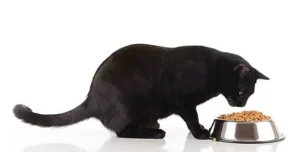
No, absolutely not. Kittens go through a rapid growth period. Kittens require higher levels of minerals and protein (like calcium) compared to adult cats. If you feed a kitten cat food, it can cause permanent deformities in the development of the kitten and organ failure.
Is there a “universal” food for both cats and dogs?
Most veterinarians do not recommend “all-stage” foods. It is impossible to bridge the nutritional gap between omnivores and obligate carnivores with a single food formula without causing one pet to receive too much of or too little specific nutrients.
Can dog food cause kidney failure in cats?
The high mineral and carbohydrate content of dog food, while not a cause for acute kidney failure, can over time put significant strain on the feline kidneys, possibly accelerating chronic renal disease (CKD).